
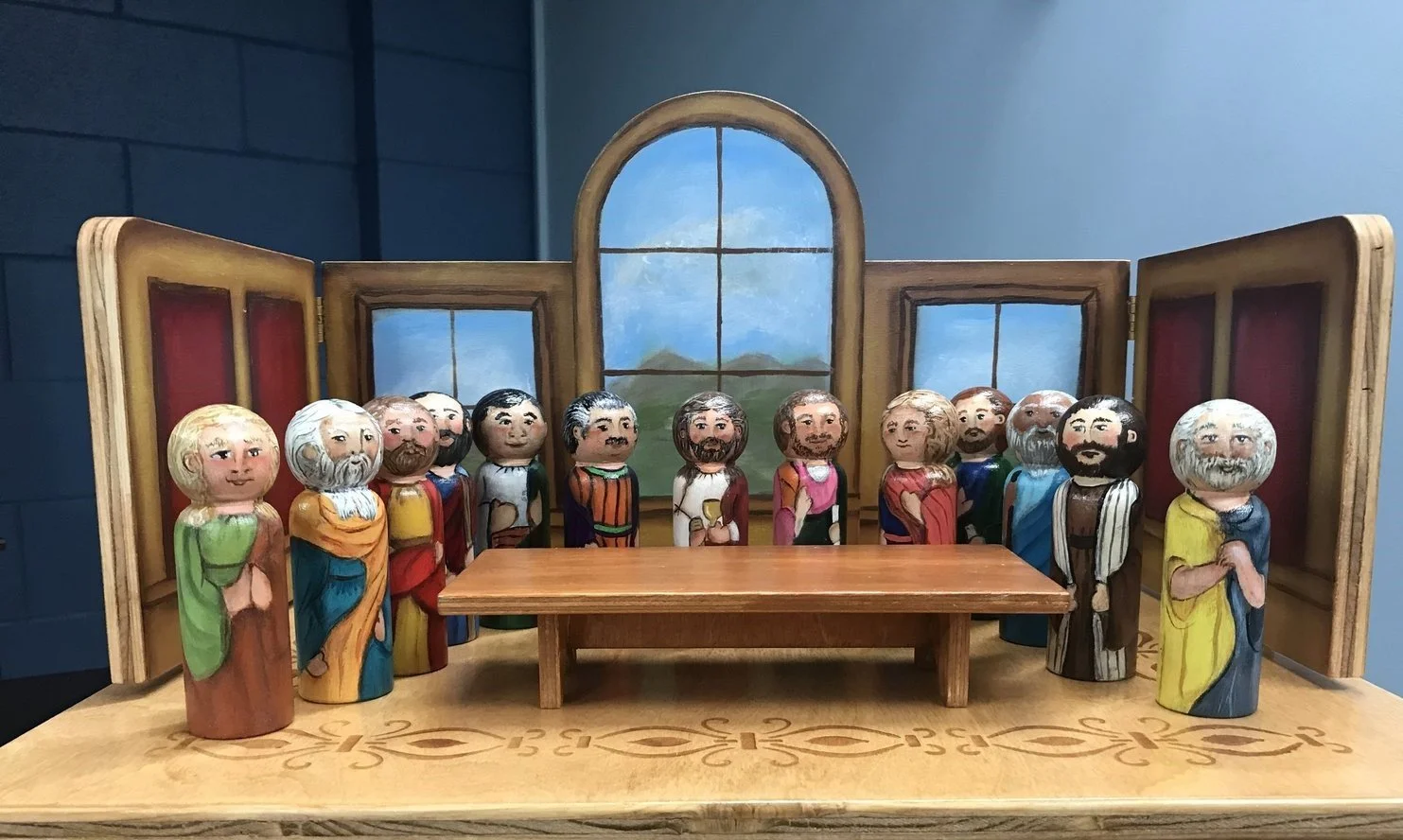
OCIA Process
OCIA - Order of Christian Initiation for Adults
Contact: Rob Guerrini, OCIA Director, ocia@stmarypinckney.org, (734)878-3161
The Order of Christian Initiation of Adults is designed for adults (and children of a certain age) who consciously and freely seek the living God and enter the way of faith as the Holy Spirit opens their hearts. By God’s help they will be strengthened spiritually during their preparation and at the proper time will receive the sacraments fruitfully. Our parish community serves as the primary ministers of the Christian initiation process. Sponsors, godparents, catechists, and liturgical ministers who come from our parish walk side by side with the catechumens and candidates as they respond to His call to live out the Gospel mandate in their daily lives.
Who can participate?
Those who have never been baptized
Those who have been baptized Catholic but have not completed full initiation into the Church (either by First Communion and/or Confirmation)
Have been baptized into another faith
Would like to explore the Roman Catholic faith and make no commitment at this time
Anyone that would like to learn more about the Catholic Faith
More Information
Classes meet on Sunday’s between Masses from September-May
All materials will be provided by the parishioners of St. Mary Parish
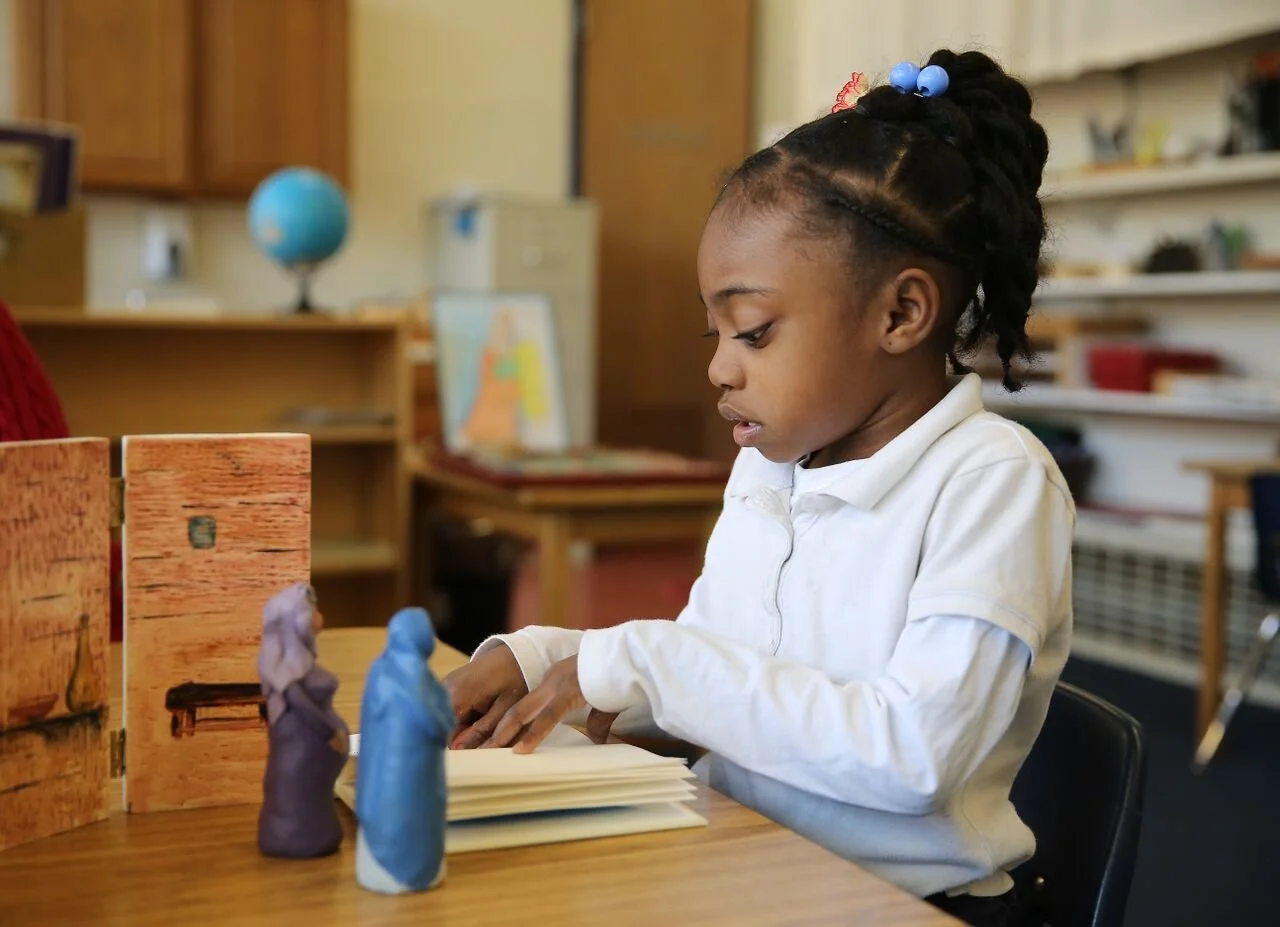
Catholic, Hands-On Education
The CGS program was developed by two Roman Catholic laywomen in Rome: Sofia Cavalletti and Gianna Gobbi. They were inspired by the educational principles of Maria Montessori, also a Catholic. The materials they prepared for children, since 1954, were based on the Bible, the Roman Catholic liturgy and sacraments, tradition, and Church teachings. In 1985, a Level I course welcomed participants from both Catholic and several other Christian traditions. Since that time, the ecumenical character of the roster for each course has continued. All presentations are offered as given to us by Sofia and Gianna (Catholic) and participants are welcome to adapt them to their own traditions with the encouragement of the national association and help from CGS formation leaders who share their traditions.
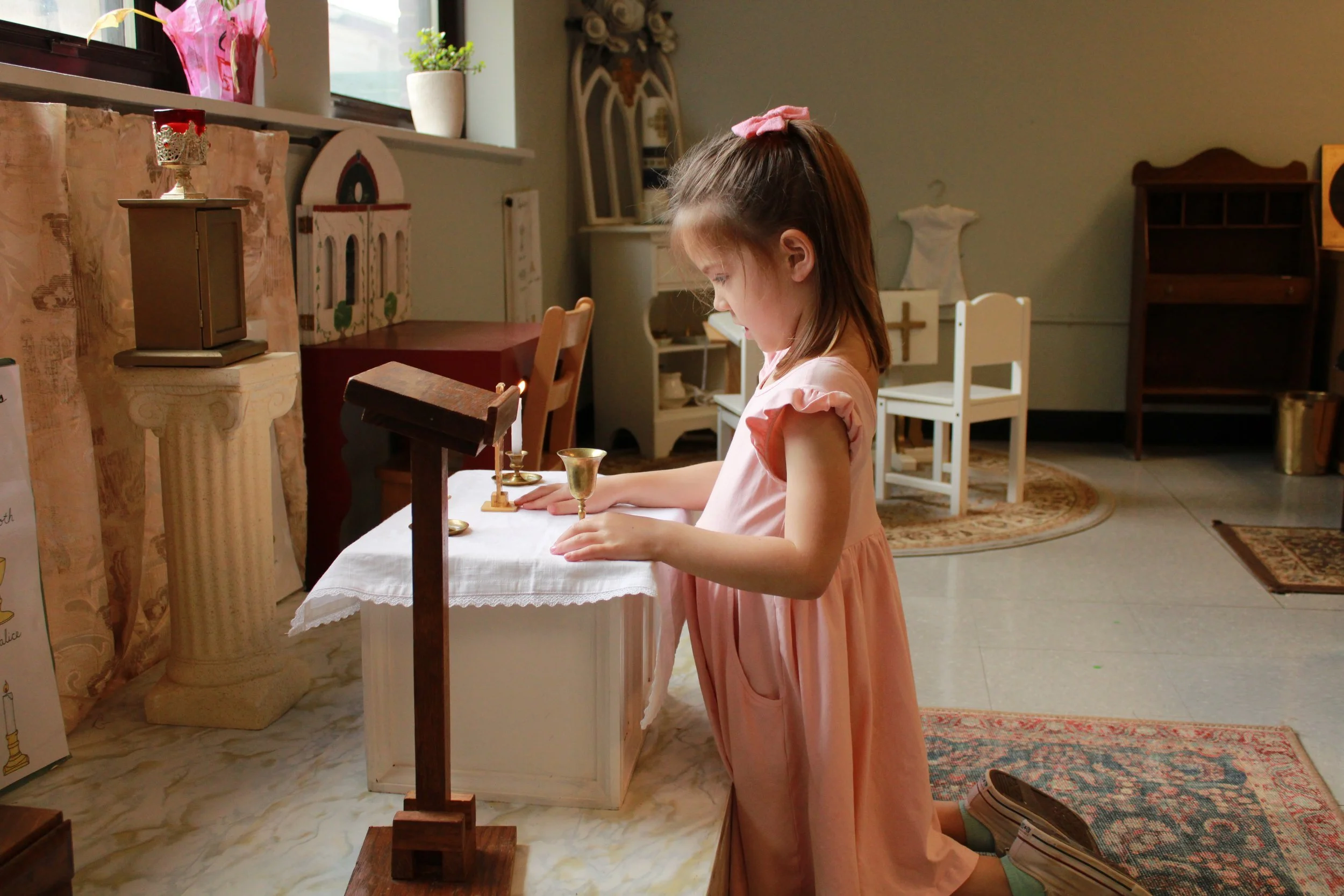
Developmental Stage-Specific
CGS is not a traditional style classroom. It is based on principles discovered at the turn of the century when Maria Montessori was a medical student in Italy. She was the only woman in an all male field at the time. She observed many children, their developmental stage and behaviors. From this work, she realized that children learned best when they had the opportunity of self-discovery with hands-on materials. Montessori found that the Church was a great place for this teaching style of connecting children with works and activities that were appropriate for their age and developmental skills. She then created a series of works, where the child is the guide. These works were eventually blessed by Pope Benedict XV. CGS received its name from a bishop in Mexico that recognized the power of the good shepherd parable.
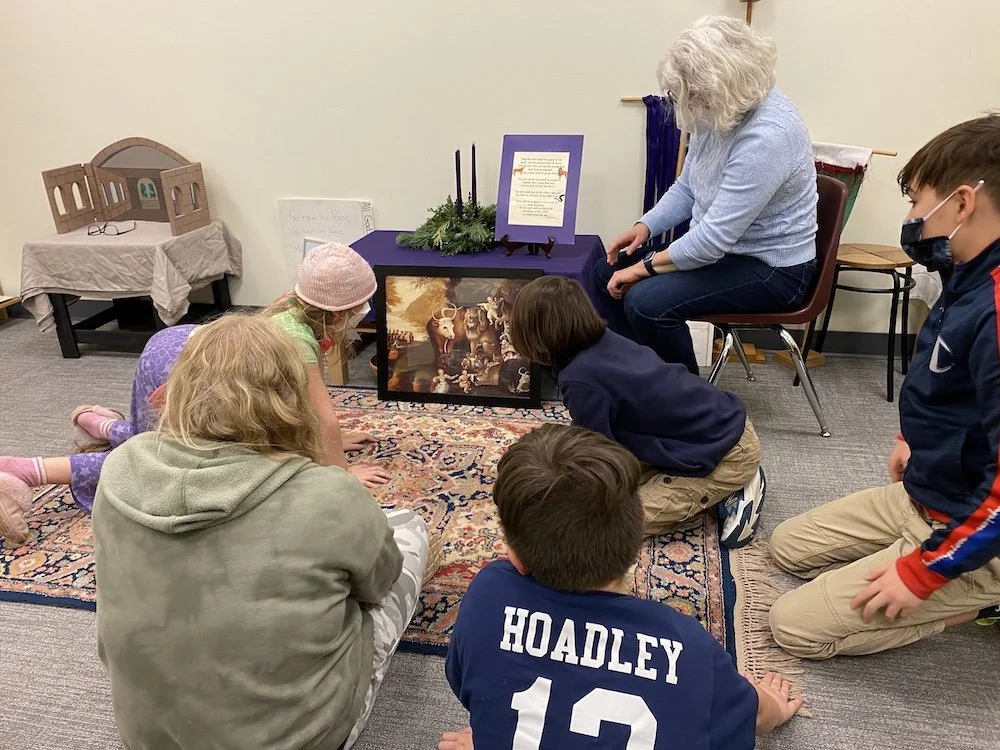
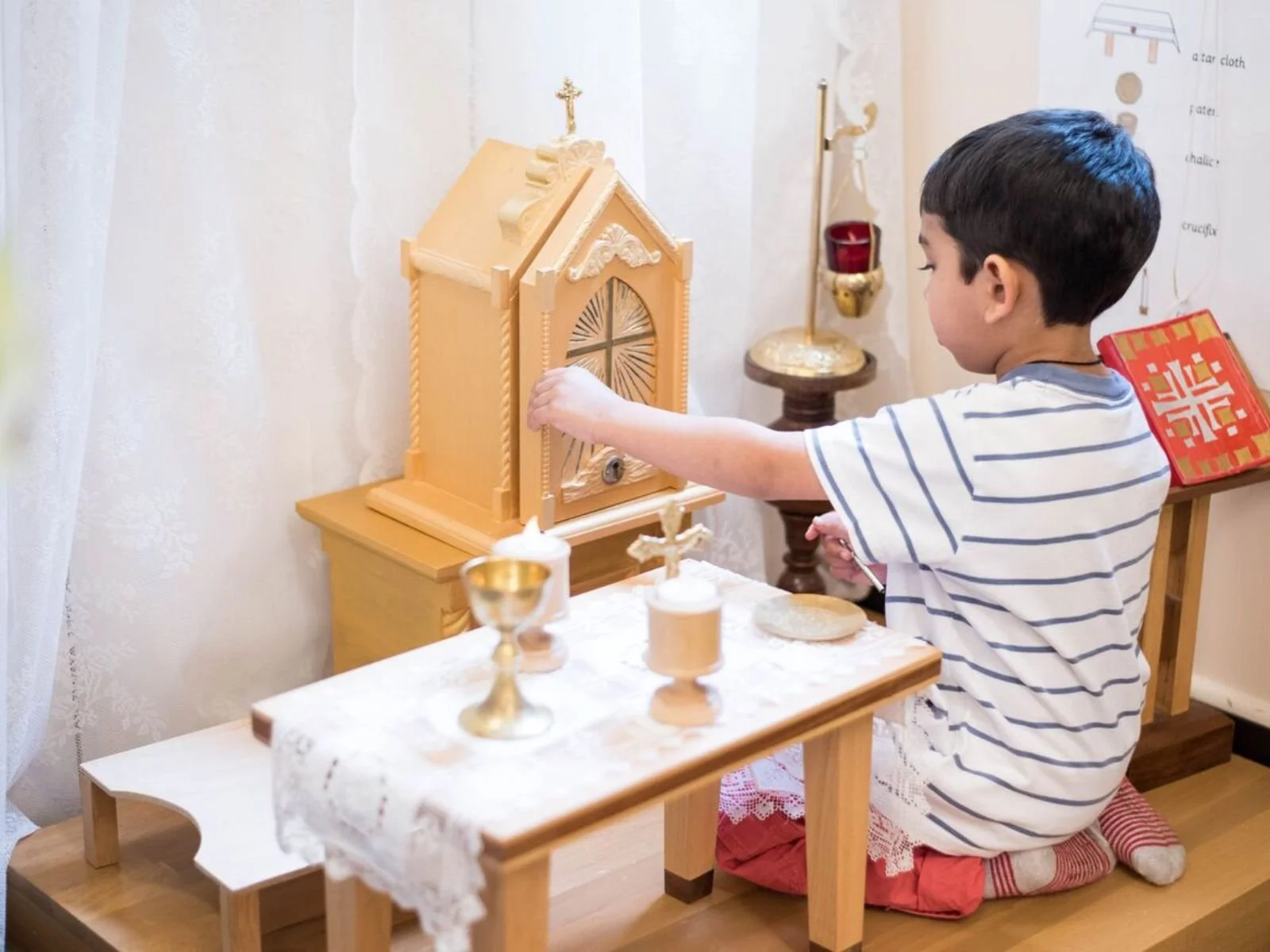
Atriums & Catechists
The Atrium is the place of preparation for this Montessori classroom style and it is prepared for the children to move about, touch materials, discover and develop a relationship with Jesus, the Good Shepherd.
The word “catechesis” is often defined as oral instruction given to catechumens (those preparing for baptism). It is from a Greek word, related to the word “to teach,” and means “resounding” or “echoing down.” It refers to the passing on of the truths of our faith. Though most of the children we serve are baptized in infancy and are not actually catechumens, their catechesis has been delayed until the earliest ages at which they can participate in it.
A catechist’s role in the atrium is not like a traditional teacher. One never explains, and always proclaims. The main task for the catechist is to introduce the Word of God and be a co-listener to God’s word with the children. The catechist must be with the children, listen, learn, and celebrate.
You can help make the atrium a reality!
Contact Rob Horning at rhorning@stmarypinckney.org to learn more and volunteer. All levels of skill are needed. Thank you!